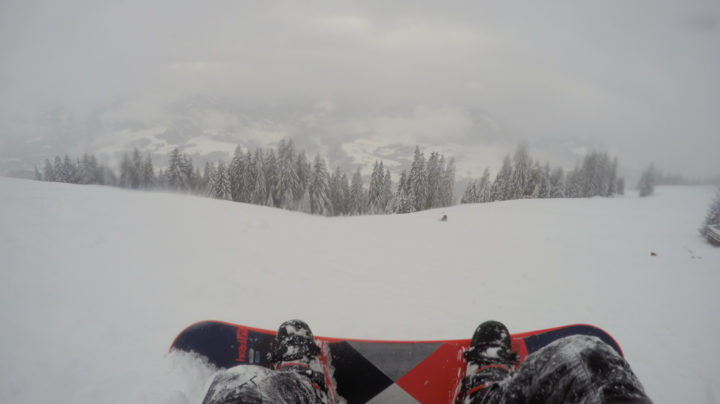
Improving Your Snowboarding In Tirol, Austria
Sometimes it’s ok to fall down, it’s how you get back up that matters. I was looking forward to getting back on the slopes, strapping on a snowboard and throwing myself downhill, wind whistling past my ears, zig-zagging through tree-lined forests and carving up the piste on the slopes in Tirol, Austria. I’d had a […]

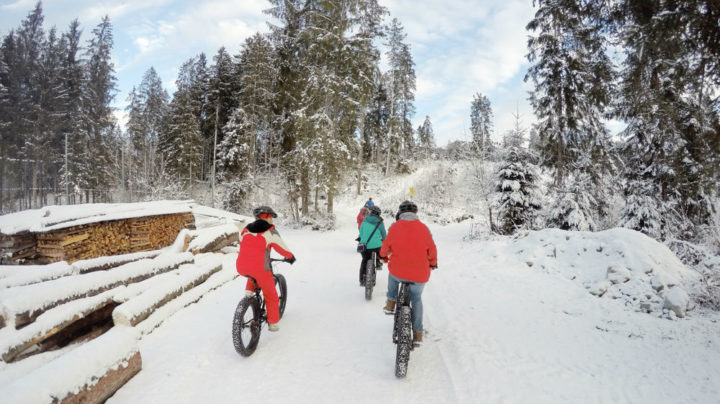
7 Skiing Alternatives You need to try in Austria
As the lush bright green valleys of Tirol, Austria turn to into a snowy winter wonderland, thoughts turn to skiing or snowboarding…carving up the fresh powder, speeding down the piste… but wait! There’s much more to do in the winter in Kitzbulher Alpen than getting geared up, strapping on your snowboard or skis and throwing […]
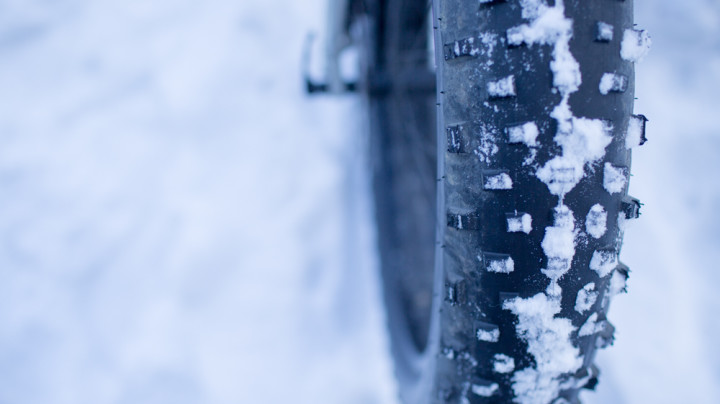
Fat Biking Tour In Tirol, Austria
“Fat biking? What? Never heard of it!” Me neither, well until my winter trip to Tirol in Austria where I experienced a fat biking tour. As if skiing, snowboarding, tobogganing and snowshoeing in winter wasn’t enough, the Austrian’s have brought bikes with super fat tyres to the Alps. These are no ordinary mountain bikes. With […]
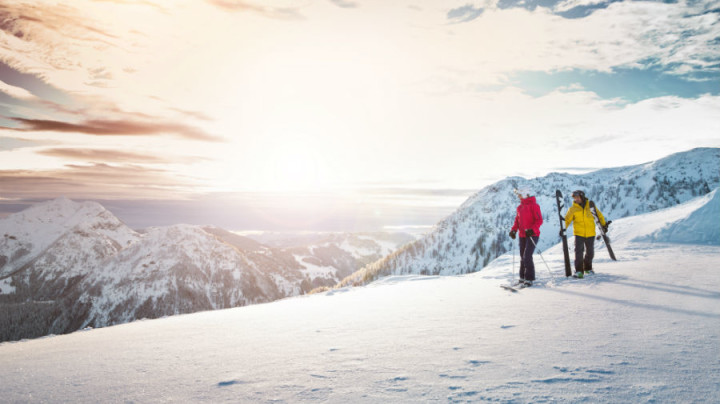
I’m Back #InAustria For Snowboarding & Fatbiking
It’s that time of the year again where we dig out those winter clothes, ski gloves, hats, scarves and leggings and head to the mountains for a bit of snow sport! I’m off to Gatwick Airport tonight to stay over at Yotel instead of getting up at 3am and struggling to get across London on […]
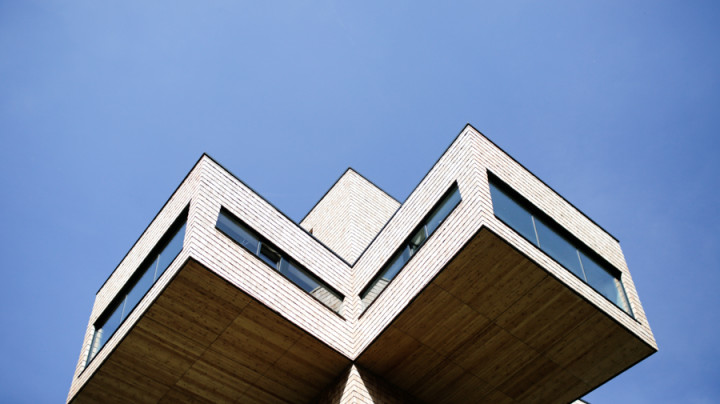
The Jakobskreuz on the Pilgrim Trail – Tirol, Austria
One thing you’ll certainly find yourself doing in Tirol, Austria is climbing mountains. The region has some of the finest alpine scenery you could imagine with Grossglockner, Austrian highest peak measuring at 3797m. On this occasion we opted for the cable car to get to the summit of the Buchensteinwand Mountain to visit the Jakobskreuz […]
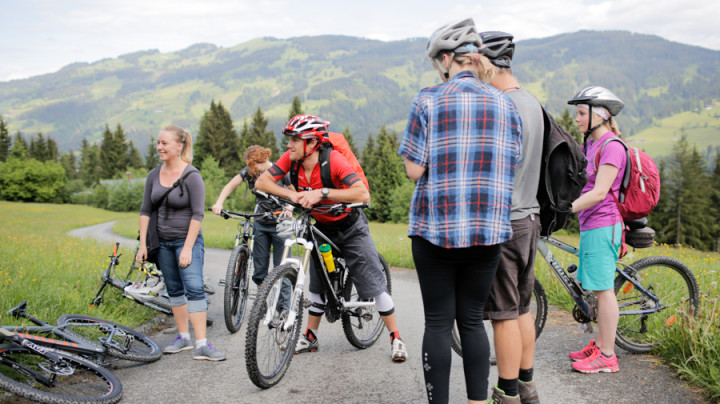
Lisi-Osl-Trail – Mountain Biking Tirol, Austria
Mountain biking? That sounds like a bit of fun, I thought reading the activities that I could choose from in Tirol, Austria. How difficult can it be? Some muddy trails, a few bumps, humps and jumps, should be a laugh… maybe a bit of a challenge. “OK, so are we ready?” our mountain biking guide […]
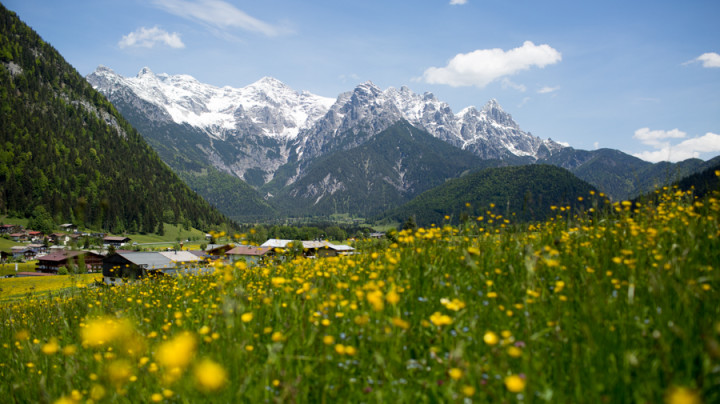
London to Tirol, Austria – City to the Mountains
I left a grim, grey, smoggy London skyline behind in search of the fresh mountain air of Austria to throw myself down a mountain on a bike, meet a friendly pack of huskies and to explore the mountains of Tirol. City life is fast and exciting but sometimes stressful and demanding. On Thursday evening I […]
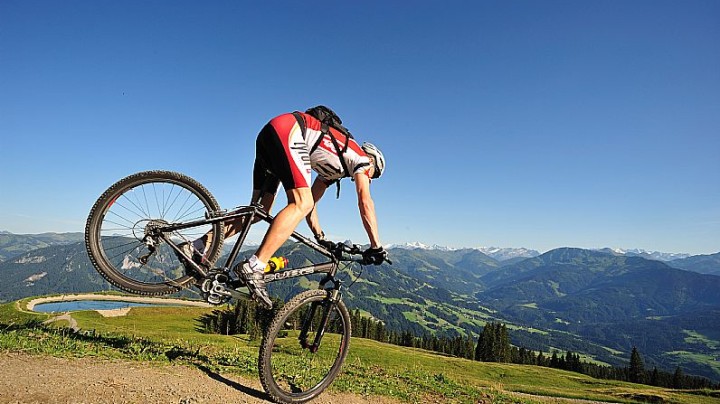
#InAustria For Stunning Views, Mountain Biking and Huskies!
On Wednesday night I’ll be heading to Heathrow airport… I think! I haven’t decided whether to get up early or to book a hotel at the airport instead! My flight is super early at around 7am so getting to the airport for 5am might prove a little on London’s public transport. Huskies & Schnapps! After […]
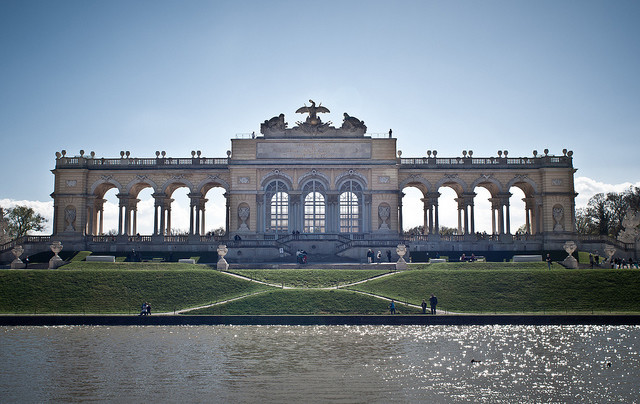
A Weekend in Vienna, Austria
On the surface Vienna is elegant, traditional, and slow moving. However, dig a little deeper and you’ll find that it’s also bohemian, trendy, and a place to party all night long. Vienna’s elegance and tradition are centrally located in the Inner City, or more formally, the First District. In its 3.01 km2 of space you’ll […]
