

“Do you do this full time?” , “How do you make money doing this?”, “How much money do you make doing this?”
These were all familiar questions back in 2012.
Blogging has changed since the days of 2006 when I was halfway round the world publishing what I thought at the time were helpful articles on how to travel the world on TravMonkey.com. Those were the days, no agenda, no free products, no trips or paid projects and campaigns. Just people experimenting, being creative for the fun of it. A time where we all had a Nokia (playing snake?) with tiny monochrome screens no fancy touch screen iPhone! Facebook was only just emerging and Google’s logo looked horrendous. Social media was still in its infancy and most engagement happened on blogs, in the comment section and through your email inbox. There was genuine real interaction.
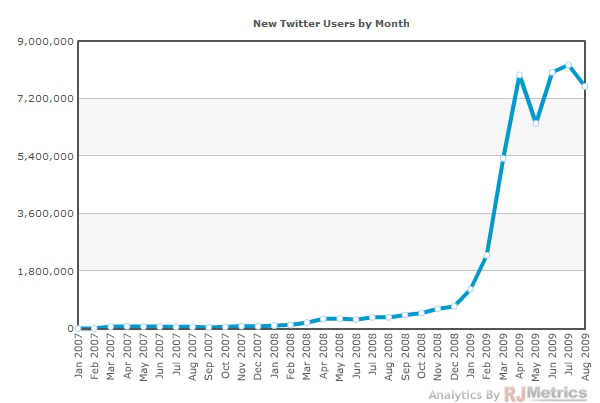
I landed back in the UK after two years away traveling and blogging, things were changing rapidly. The release of the iPhone in 2007 brought an amazing touch screen smartphone to the masses. No longer we people consuming the internet solely on a huge metal box of a desktop computer, but eyeballs were moving to mobile screens and with it, massive innovations in apps and social media. Twitter had already been launched back in 2006 but like Facebook hadn’t taken off until years later until the smartphone became the must have device.
Along with adopting a smartphone (HTC Desire!? Remember those?) I joined Twitter in 2008, not quite knowing what the point was and how to use it… Although I wasn’t the only one…. Chris Messina who created the concept of the hashtag on twitter in August 23, 2007 (as a way of tagging messages) didn’t seem too sure either:
“I’m more interested in simply having a better eavesdropping experience on Twitter.”
In 2010 the Twitter party was in full swing, bloggers were mingling online and off. I attended my first blogging event (Blogcamp) at a pub in London. I remember wandering around outside checking my phone and pondering if it was still really weird to meet people you knew online. It turned out to be a fun and eye opening event… even some faces (avatars) that I recognised smiled and walked up to me shouting my username. It felt quite exciting to be making new connections with people that you shared the same creative passions as. At the event, the now familiar question of how much many anyone was making from blogging cropped up, with just one person raising their hand to say they made more than £1000 a month by blogging.
Swimming in Money
Blogging changed fairly quickly as more and more bloggers proclaimed to be making Scrooge McDuck amounts of money from traveling and writing. Press trips were followed by products to reviews and people started blogging for money rather for creativity alone. At events people would network and ask “do you do this full time?”, “how do you make money from it”. To be honest, it pissed me off that all people seemed to want to know was whether they could make a ton of money from it, rather than being interested in writing, photography or doing something interesting online.
It became a bit of a gold rush, groups sprang up on Facebook all about how to make money from blogging. Topics included how to drive traffic to your blog, approach PR’s for trips and products along with comment pods to artificially boost the look of engagement on each others blogs. Even at our Traverse conferences today, any topic featuring claims of making bucket loads of money are always oversubscribed, whilst other more creative and perhaps more interesting ones don’t always max out.
Instagram Blows Up
If blogging seemed like a gold rush in those days, what was bubbling up with Instagram was to be even worse.
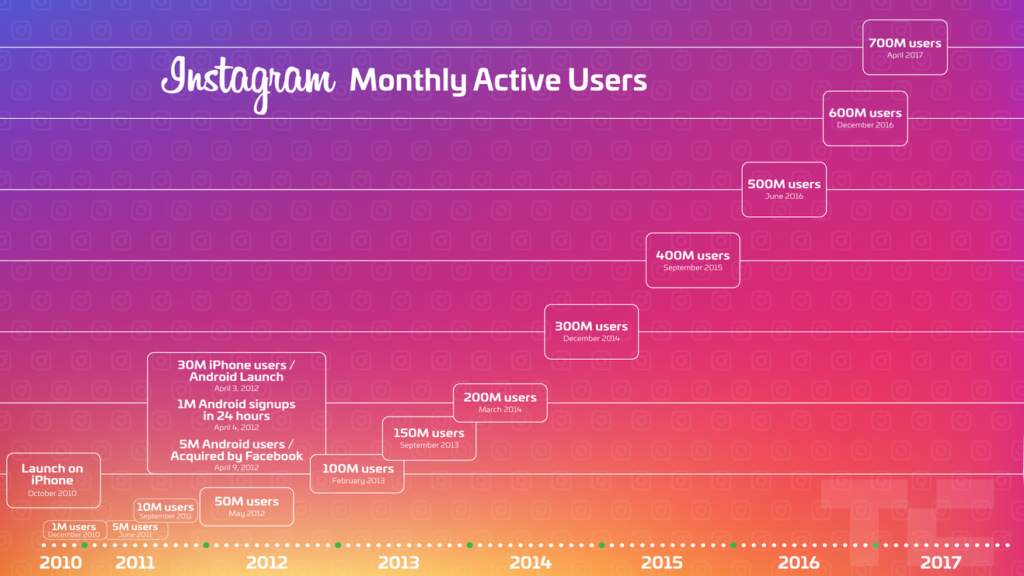
It started out in 2010 as a platform famed for its awesome filters that made your crappy mobile photos look better and for the speed of getting your images online and out to your audience. Sadly the platform has morphed into a strange unwieldy mega advertising behemoth where Instagram wannabe influencers like photos to get a like, follow people to get a follow or comment to get comments.. that’s not real engagement.
It’s evolved and swallowed Snapchat’s functionality in the process, growing with up to 700 million active monthly users. Follow and unfollow to get huge numbers in a world where teenagers want to grow up to be a famous influencer, the desperate rush to be a Instagram super star means gaming the figures in anyway you can… and some naive brands are paying for it.
It’s a world where someone’s trademarked “Comment Pods”, where groups of 15 Instagrammers that will like and comment on each others photos that are shared with the group. Then there’s Quick Likes, Quick Comments, Daily Likes, Daily Comments and Weekend Follow. It’s a game… and not a particularly fun one.
There’s been a few recent articles exposing the practices on Instagram such as Peta Pixel’s and also an agency who gamed their way into making money on the platform.
Pushing Buttons Like Zombies
So here we are, 2017 with people staring at their phones like zombies, liking photos and commenting not because they like the content or enjoy doing it, but because it builds their own profile. It gives them more chance of making more money. If the truth be told, these zombies are either spending a hell of a lot of time manually playing this game or outsourcing it to virtual assistants, bots and shady Instagram groups and practices.
But the money is there, in the rush to use influencers… Instagram is big business, but it’s a murky business and not all is what it seems. Until the time that it’s near impossible to manipulate your way to the top there will always be those willing to take huge shortcuts for a quick buck. The problem with Instagram is the barrier to entry is so low and the number of people willing to cheat, extremely high.
I never got into creating content online to spend a huge amount of my time frantically gaming, chasing and mindlessly, robotically jumping through hoops.
I did it because I enjoyed being creative… not liking, commenting, befriending and manipulating an app like a zombie… that’s the least creative thing in the world.

I would say I miss the ‘old days’ when people were gaming platforms less too but that is always the way. Innovators try new things first, some for the love of it and some for the money, but the hawks always follow because it’s easier to copy what works. And the more people come for the quick gains, whether it is money, fame or whatever, the harder it is to distinguish yourself and not be tempted by shortcuts. Overall I think content standards have gone up a lot over time, but the volume of people creating it (and ways to create it and places to house it) has exploded and so the number of people creating something valuable in today’s market has decreased as a percentage but still grown hugely in real terms. I certainly didn’t get into any of it to spend more time on devices either but just a love of travel/being an active traveller is not enough anymore to be rewarded for your efforts. The industry has matured and barriers to *successful* (however you want to define it) entry and survival have gone up. Imo. 🙂
I have had similar thoughts swirling round my head for months, I applaud you for getting them down. I don’t want to spend my time gaming instagram either. It steals all my creative time. Great post.
What upsets me more is the games Instagram are playing. They only show my photos to a small fraction of my followers because they want me to pay them to show more people. A much newer account that I have, with just a small following, has its photos shown to as many people as my very much larger account. It’s ridiculous! I’m also hacked off with all the curated sites that show wonderful photos taken by other people and not a single one by themselves – I’m not interested in that and it surprises me so many other people are.
I agree the quality of content has gone up but I do think Instagram particularly is a breeding ground for people who want to get the shortcut to riches and fame etc. The way they are doing it is by gaming, botting and manipulating things.
Thanks! I’m still not sure if I got down what was in my head properly! Haha… “steal creative time”… a very good phrase!! 🙂
It’s certainly hugely frustrating and the lack of real competition with platforms will only make the situation worse I think… I don’t know how we got into a situation where bloggers/creators need to pay for exposure? Surely this isn’t right?
Logic says it’s not right but if bloggers are earning then they will be expected to pay for priviledges the same as other businesses do. It’s a logic loophole! 🙂