

 One of the most popular travel trends today is to really immerse yourself with the local culture, and one of the very best ways to do that is to spend some time volunteering in the community where you’ve put down roots … at least momentarily. Volunteering abroad can be an incredibly rewarding experience or a ridiculously frustrating one. Here are five simple tips on how to make it a worthy part of your long-term travels:
Do your research, and work with a well established organization.
By all means, you can simply set up shop in any given town or village and offer to lend a hand, but realize that by working with an established organization, you won’t just be wasting your time. Many organizations that put together overseas volunteer trips have been doing so for some time, and they’ve learned from their mistakes. By working with a group that has a track record, you’ll likely know what you’ll be doing on the ground, have in-country support and feel more successful with whatever objectives you achieve. Take the time to get in touch with others who have worked with these organizations and ask all those nitty-gritty questions you have. Legitimate organizations are usually more than happy to supply names and contact information for alumni.
Don’t be surprised that you have to pay.
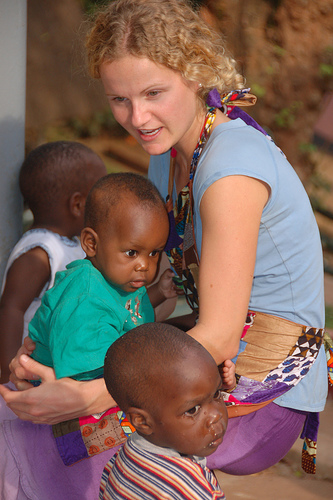 Many people balk at the thought of paying to volunteer with an organization, but someone else is putting in time and effort on your behalf so you don’t have to work out the details. Someone has to pay for your room and board, and though you might get some sort of discount by volunteering, your “tuition” in a volunteering program goes to support the organization’s initiatives. In some cases, you may also be paying for day excursions, transportation and other details. Before you sign up, ask for the breakdown of your fees, but don’t be offended by the fact you have to pay.
Do keep an open mind.
The pace of life in much of the world is leisurely, and bureaucracy is not uncommon. Read up on the local culture, and understand what social norms are. In some countries, people will say “yes” when they really mean “no” because they don’t want to be rude. Avoid frustration by offering your thoughts but not being married to them and assisting when and where you are able. If you were hoping to do one thing but are stuck doing something else, speak up to your volunteering organization or direct supervisor but realize that it may take a long time to achieve something and that even the small steps you take as a volunteer will make a big difference in the end.
Don’t try to push your way of life on the project.
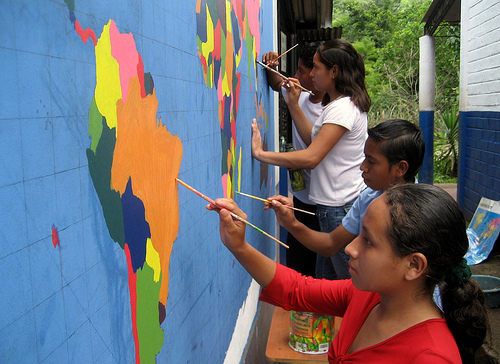 You are a guest, and as such, don’t simply try to do things “your way.” Instead, take this opportunity to learn how another culture functions and you may pick up some interesting and creative problem solving strategies along the way. Many communities that have had volunteers often resort back to their “old” way of life because what has been brought in by volunteers does not fit in seamlessly with their current way of life. Ask your local colleagues what is important to them and their community, and listen to what they have to say. That said, your health and safety should be your number one concern, so if you feel any aspect of your project compromises one or both of these, say something and protect yourself.
Do remember the experience.
Make an effort to record your volunteer experience. Though you don’t want to whip out a camera on your first day, take some time to record what you’ve gone through with nightly journal entries, photography and video. Volunteering abroad is, for many people, a life-changing experience, and, over time, the memories of that experience can and will fade. You might pack your bags and head on to the next great adventure, but the effect of volunteering is probably something that will stick with you for a very long time.
First photo by The Dilly Lama
Second & third photo by Lshave

What an excellent article on volunteering abroad. Thanks Joanna!
We fully agree that collaboration is key when it comes to volunteering. Working with an established organization can really help as they have trusted connections and local knowledge, which can really make a difference when we’re helping the locals. Our efforts and resources can be maximized.
Regarding the second tip above (“Don’t be surprised that you have to pay”), we would like to share some good news on the matter. We are a not-for-profit organisation based in the United States. We provide willing professionals with specific skills, curriculum, and equipment to carry out the good work, at no cost to travelers. We also do not want to change travelers’ itineraries so as much as possible we will try to find trusted communities that can use the travelers’ skills along their itineraries.
Feel free to contact us to further see if we can work together to create positive impacts worldwide!
Thanks.
–
Daniel Anggara
http://www.themuskokafoundation.org
http://www.facebook.com/Muskoka.Foundation
https://twitter.com/DoGoodAsYouGo/
If you are looking to volunteer overseas, help others, learn skills and experience a new culture you should research your destination and gap year provider in as much detail as possible. The dangers of “voluntourism” have been increasingly publicised and it is important to ensure that your overseas volunteering programme is run responsibly and ethically. Initiatives like the Campaign for Real Volunteering will help assist you in what to look out for and how to ensure the most from a volunteering experience!